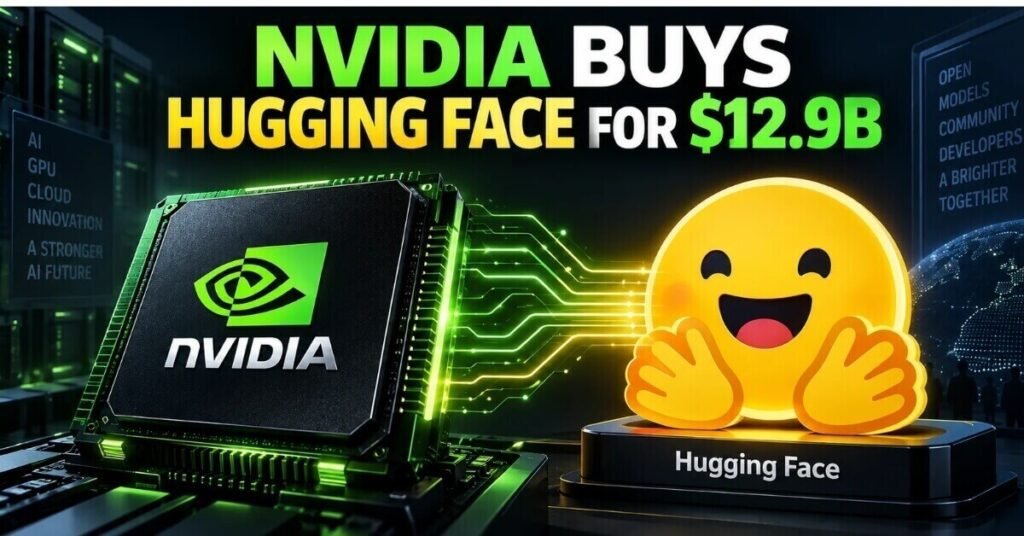
The tech world woke up this week to news that will reshape how millions of developers build artificial intelligence tools. The Nvidia Hugging Face acquisition, valued at nearly $12.93 billion, is being called the biggest deal in Nvidia’s history. For anyone who follows AI tools, chatbots, or machine learning platforms, this single move signals a massive shift in who controls the infrastructure behind modern AI.
If you have never heard of Hugging Face before, do not worry. This article breaks down everything in simple terms: what happened, why it matters, and what the Nvidia Hugging Face acquisition means for developers, businesses, and everyday AI users. We will also look at how this deal fits into the bigger picture of the AI industry and what could happen next, including how it might affect the everyday tools that bloggers, developers, and small businesses already depend on without even realizing it.
What Is Hugging Face and Why Does It Matter?
Hugging Face is often described as the “GitHub for AI.” It is an open-source platform where developers, researchers, and companies share pre-trained AI models, datasets, and tools. Instead of building an AI model from scratch, a developer can visit Hugging Face, download a ready-made model, and customize it for their own project.
Over the years, Hugging Face grew into one of the most important hubs in the entire AI ecosystem. More than 200,000 companies reportedly use the platform to discover, evaluate, customize, and deploy AI models. Its library hosts hundreds of thousands of models covering text, image, audio, and video tasks, along with massive collections of open datasets used to train and test machine learning systems.
Because Hugging Face sits at the center of so much AI development, any change in its ownership naturally raises questions across the entire industry. This is exactly why the Nvidia Hugging Face acquisition has generated so much attention in such a short time.
Details of the Nvidia Hugging Face Acquisition Deal
According to Nvidia’s official announcement, the company has agreed to acquire Hugging Face for approximately $12.93 billion. The deal was confirmed through Nvidia’s official blog, and it was quickly picked up by major outlets including CNBC, BBC, and Reuters. Interestingly, reports suggest that Hugging Face itself approached Nvidia’s CEO Jensen Huang weeks before the deal was finalized, rather than Nvidia initiating the offer alone.
The Nvidia Hugging Face acquisition is structured to keep Hugging Face operating as an open platform. Nvidia has stated publicly that it plans to scale Hugging Face’s existing infrastructure rather than shut it down or lock it behind a paywall. This detail matters a lot, because much of the trust developers place in Hugging Face comes from its open-source nature. If that openness disappeared overnight, it could seriously damage the platform’s community.
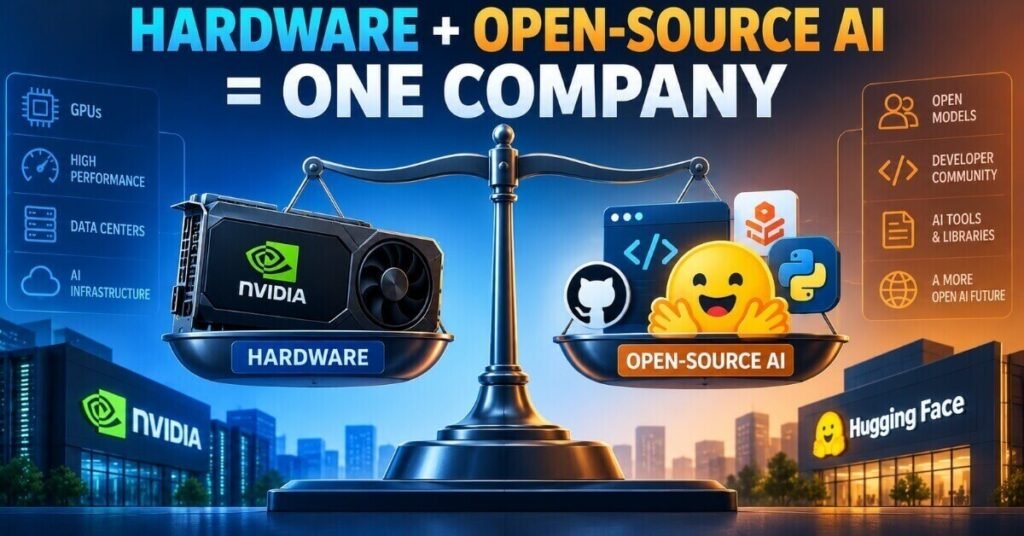
For a chipmaker like Nvidia, whose business has traditionally centered on GPUs and hardware, this acquisition marks a clear step toward owning both the hardware and the software layer of the AI stack. That combination gives Nvidia influence over how millions of developers actually build and deploy their models.
Why Did Nvidia Acquire Hugging Face?
There are several strategic reasons behind the Nvidia Hugging Face acquisition, and understanding them helps explain why this deal is such a big deal in the tech industry right now.
First, Nvidia already dominates the hardware side of AI through its GPUs, which power most of the world’s large language models and machine learning systems. By adding Hugging Face to its portfolio, Nvidia gains direct access to the software and community layer where developers actually choose which models to use. This positions Nvidia to influence AI development from both ends of the pipeline.
Second, the broader AI infrastructure race has intensified sharply this year. Competitors are investing heavily in chips, data centers, and platforms to secure their place in the AI economy. The Nvidia Hugging Face acquisition can be seen as a defensive and offensive move at the same time, protecting Nvidia’s dominance while expanding its reach into open-source AI development tools.
Third, owning Hugging Face gives Nvidia valuable insight into real-world AI usage patterns. Since so many companies rely on the platform to test and deploy models, Nvidia can better understand what kind of hardware and infrastructure developers actually need going forward.
What the Nvidia Hugging Face Acquisition Means for AI Developers
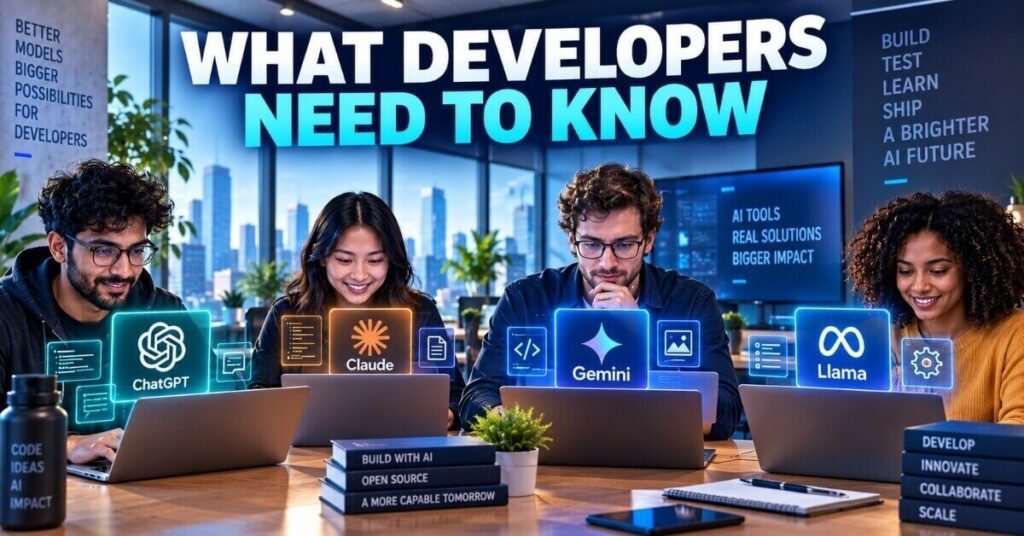
If you are a developer, blogger, or small business owner who uses AI tools regularly, you might be wondering how this news actually affects you. The truth is, the Nvidia Hugging Face acquisition could influence the AI tools ecosystem in several practical ways.
For starters, Nvidia has promised that Hugging Face will remain an open platform. This means developers should still be able to access community models, datasets, and spaces just as they did before. However, many people in the AI community are watching closely to see whether pricing, access limits, or hardware requirements shift over time, especially since Nvidia’s core business depends on selling GPU compute power.
Another important angle of the Nvidia Hugging Face acquisition is model choice. Some analysts have pointed out that as Nvidia takes a bigger role in the platform, there could be indirect pressure toward using Nvidia-optimized models and tools. This does not necessarily mean restrictions, but it is worth watching as the integration between Nvidia’s hardware ecosystem and Hugging Face’s software layer deepens.
On the positive side, deeper integration between Hugging Face’s model library and Nvidia’s GPU infrastructure could make it easier and faster to deploy AI applications. For developers working on tight budgets, better optimization between software and hardware could eventually translate into lower compute costs, even though this remains to be seen in practice.
Impact on the Open-Source AI Community
Open-source AI has always relied on trust between the platform and its community. Since Hugging Face built its reputation on being open and accessible to everyone, the Nvidia Hugging Face acquisition naturally raises questions about the future of that openness.
Some voices in the developer community have expressed concern that a large corporation owning such a central open-source hub could eventually shift priorities away from community-first development. Others argue that Nvidia’s massive resources could actually strengthen Hugging Face’s infrastructure, allowing it to scale faster and support even more models, datasets, and users than before.
It is worth noting that Nvidia has publicly emphasized that Hugging Face will continue functioning as an open platform for the AI community. Whether this promise holds up in practice will likely become clearer over the coming months as the transition unfolds. For now, this deal represents one of the clearest examples yet of how tightly big tech companies and open-source AI projects have become intertwined.
Community reaction so far has been mixed but largely cautious rather than hostile. Long-time contributors on forums like Hacker News and Reddit have pointed out that Hugging Face’s founders becoming billionaires overnight does not automatically mean the platform will change for the worse, but it does mean incentives could shift.
Nvidia Hugging Face Acquisition and the Future of AI Tools
Looking ahead, the Nvidia Hugging Face acquisition could shape the next phase of AI tool development in a few key ways.
First, expect tighter integration between Nvidia’s hardware stack and Hugging Face’s software tools. This could mean smoother deployment pipelines, faster inference speeds, and better support for running models directly on Nvidia hardware, whether in the cloud or on local devices.
Second, this acquisition adds to a growing pattern of major tech companies buying up critical pieces of AI infrastructure. As chip makers, cloud providers, and AI labs continue consolidating power, independent developers and small businesses may need to pay closer attention to who controls the tools they depend on daily.
Third, the deal highlights just how valuable open-source AI platforms have become. A few years ago, few people would have predicted that a hardware company would spend nearly thirteen billion dollars to acquire a community-driven AI platform. The Nvidia Hugging Face acquisition proves that owning developer trust and community engagement is now just as valuable as owning hardware or raw compute power.
How This Compares to Other Big Tech AI Acquisitions
The AI industry has seen several major acquisitions over the past few years, but the scale of the Nvidia Hugging Face acquisition stands out. Nvidia has confirmed this is the largest acquisition in the company’s history, surpassing its previous deals by a wide margin.
Other tech giants have made similar moves to secure their position in the AI race, whether through acquiring startups, investing in AI labs, or building proprietary platforms. What makes the Nvidia Hugging Face acquisition different is that Hugging Face was never a closed, proprietary company. It grew organically as a trusted, community-driven platform, which is part of what makes this acquisition feel significant to so many developers who have used the platform for years.
Other recent deals in the AI space have mostly involved buying talent, buying startups still in early stages, or investing in cloud infrastructure. The Nvidia Hugging Face acquisition stands apart because it involves acquiring an established, widely trusted community hub with an existing user base of hundreds of thousands of companies and millions of individual developers. That difference is exactly why so many news outlets, forums, and social media discussions reacted so quickly once the announcement went public. Reddit threads, LinkedIn posts, and tech newsletters all lit up within hours, reflecting just how deeply this platform is woven into daily AI workflows around the world.
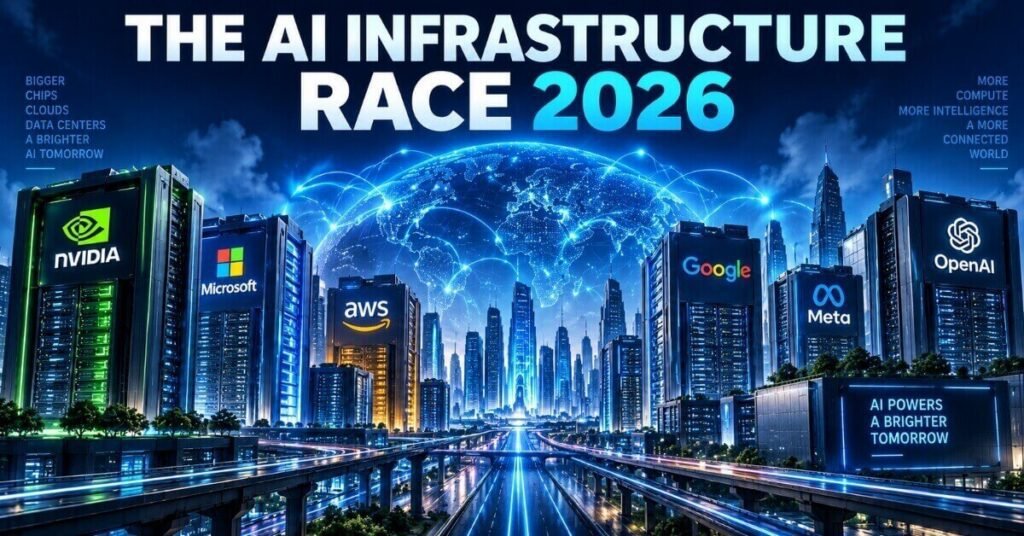
The Bigger Picture: AI Infrastructure Race in 2026
To fully understand why the Nvidia Hugging Face acquisition matters so much right now, it helps to zoom out and look at the broader AI infrastructure race happening across the tech industry in 2026. Chipmakers, cloud providers, and AI labs are all racing to secure control over the pieces that power modern AI systems, from raw compute power to the software platforms developers rely on every day.
This year alone has seen billions of dollars flow into data centers, custom AI chips, and platform acquisitions as companies try to avoid being left behind. Within this context, the Nvidia Hugging Face acquisition fits a clear pattern: the companies that control both the hardware and the software layer gain outsized influence over how AI actually gets built and used.
For smaller developers and independent creators, this consolidation can feel overwhelming. A handful of large companies now shape decisions that affect millions of projects built on top of open platforms. At the same time, this level of investment often brings faster innovation, better tools, and more resources poured into improving the infrastructure that everyday users depend on. The real test for the Nvidia Hugging Face acquisition will be whether it manages to balance these two outcomes, delivering better technology while still protecting the open, community-driven spirit that made Hugging Face popular in the first place.
What Bloggers and Small Businesses Should Know
For content creators, bloggers, and small business owners who use AI tools for writing, image generation, or automation, the direct impact of the Nvidia Hugging Face acquisition may not be felt immediately. Most popular consumer-facing AI tools built on top of Hugging Face models should continue functioning as usual in the short term.
That said, it is smart to stay updated on any announcements regarding pricing changes, new licensing terms, or shifts in which models remain freely available. If you rely on open-source AI tools for your business, keeping an eye on official announcements from both Nvidia and Hugging Face over the coming months will help you avoid surprises.
It is also a good time to explore how automation and AI agents are changing everyday workflows. If you want to understand the bigger picture of how automated AI systems differ from simple AI tools, this detailed guide on AI agents vs automation breaks down the differences clearly and can help you decide which approach fits your business needs.
Many small business owners and solo creators use AI tools built on top of Hugging Face models without even realizing it, since countless writing assistants, image generators, and chatbot builders rely on open-source models hosted there. Because of this, the Nvidia Hugging Face acquisition indirectly touches a huge portion of the AI tools already embedded in everyday blogging and content workflows. Staying informed simply means checking in occasionally on official updates so you can adjust your workflow if pricing or access terms ever shift down the line.
Timeline: How the Nvidia Hugging Face Acquisition Unfolded
Understanding the timeline helps put this deal into perspective. Discussions between the two companies reportedly began quietly weeks before any public announcement, with Hugging Face’s leadership approaching Nvidia first about a potential partnership that eventually evolved into a full acquisition offer.
Once both sides agreed on terms, Nvidia moved quickly to make the announcement official through its own blog. Within hours, major financial and tech news outlets picked up the story, and it quickly became one of the most discussed topics across tech forums and social media.
Market reaction was immediate as well. Nvidia’s stock saw renewed attention after a period some analysts described as its longest monthly losing streak in years. Investors appeared to view this move as a sign that Nvidia was thinking beyond pure hardware sales and building a longer-term strategy around AI software and community platforms.
Potential Risks and Challenges Ahead
No acquisition of this size comes without risks, and the Nvidia Hugging Face acquisition is no exception. One of the biggest challenges will be maintaining the trust of the open-source community while integrating Hugging Face into a much larger corporate structure. Community-driven platforms often struggle to keep their original culture intact once ownership shifts toward a large, profit-focused company.
Regulatory scrutiny is another factor worth watching. Given the size of the deal and Nvidia’s already dominant position in AI hardware, some analysts expect regulators in the United States and possibly other regions to review this transaction closely before it is finalized. Antitrust concerns are increasingly common in major tech acquisitions, especially when the acquiring company already holds significant market power in an adjacent industry.
There is also the practical challenge of integration itself. Merging Hugging Face’s engineering culture, community management practices, and open-source philosophy with Nvidia’s corporate structure will take time. How smoothly this integration goes could determine whether developers view the deal as a net positive or a cautionary tale in the years ahead.
FAQs About the Nvidia Hugging Face Acquisition
1. How much did Nvidia pay for Hugging Face?
Nvidia agreed to acquire Hugging Face for approximately $12.93 billion, making it the largest acquisition in Nvidia’s history.
2. Will Hugging Face remain free and open-source after the acquisition?
Nvidia has stated that Hugging Face will continue operating as an open platform. However, the long-term impact of the Nvidia Hugging Face acquisition on pricing and access is still something the community is watching closely.
3. Why did Nvidia want to acquire Hugging Face?
Nvidia wanted to expand beyond hardware into the software and community layer of AI development. The Nvidia Hugging Face acquisition gives Nvidia influence over both the chips and the platforms developers use daily.
4. Does this acquisition affect developers using Hugging Face models today?
In the short term, most developers should not notice major changes. Over time, deeper integration with Nvidia’s hardware could change how models are optimized and deployed.
5. Is this the biggest AI acquisition of the year?
It is one of the largest, with Nvidia confirming this deal surpasses all of its previous acquisitions in scale and value.
Conclusion
This deal marks a turning point in how the AI industry is structured. By combining its dominance in AI hardware with one of the most trusted open-source AI platforms in the world, Nvidia is positioning itself to influence nearly every layer of AI development going forward. For developers, businesses, and everyday users, the coming months will reveal exactly how this acquisition changes the tools we rely on. Whether this move strengthens open-source AI or shifts more control toward big tech remains an open question, but there is no doubt the Nvidia Hugging Face acquisition will be remembered as one of the defining AI stories of the year.
Disclaimer
This article is based on publicly available news reports and official statements from Nvidia at the time of writing. Details of the deal, including valuation and terms, may change as the acquisition process moves forward. Readers are encouraged to check official sources such as Nvidia’s newsroom for the latest updates.